
Grading the Tailored Straight Skirt: How to Understand It without Getting Lost
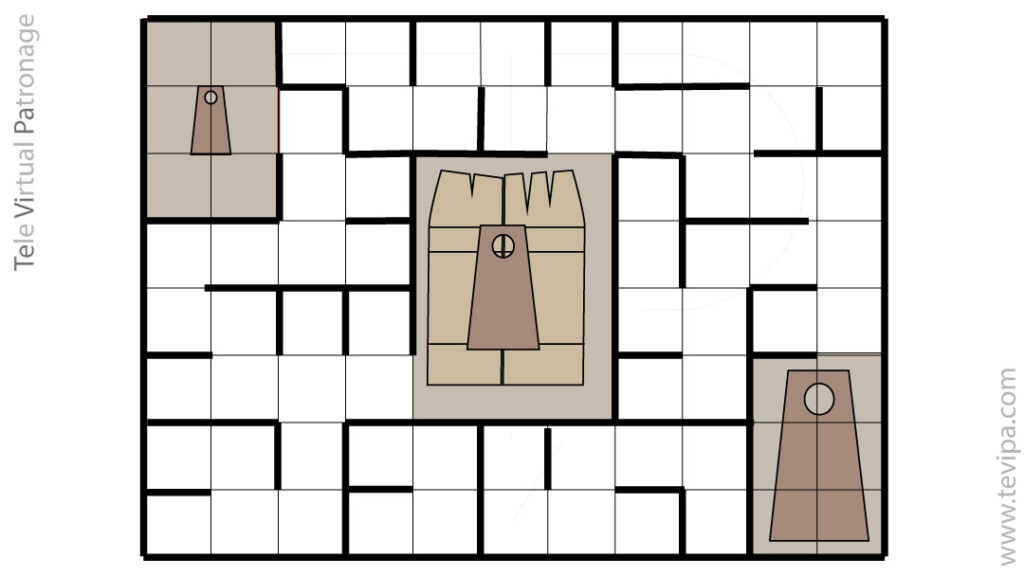
Grading —even for a tailored straight skirt— is one of those topics that, from the outside, seem complex, technical, and almost reserved for insiders. However, when it is explained with rigor and a clear method, everything starts to make sense: every measurement grows for a reason; every point of the pattern shifts following specific proportions, and the final garment maintains its coherence across all sizes.
In this video, part of the series dedicated to grading, we work with real examples of male and female morphologies to show how the pattern’s behavior changes depending on the mophologie.
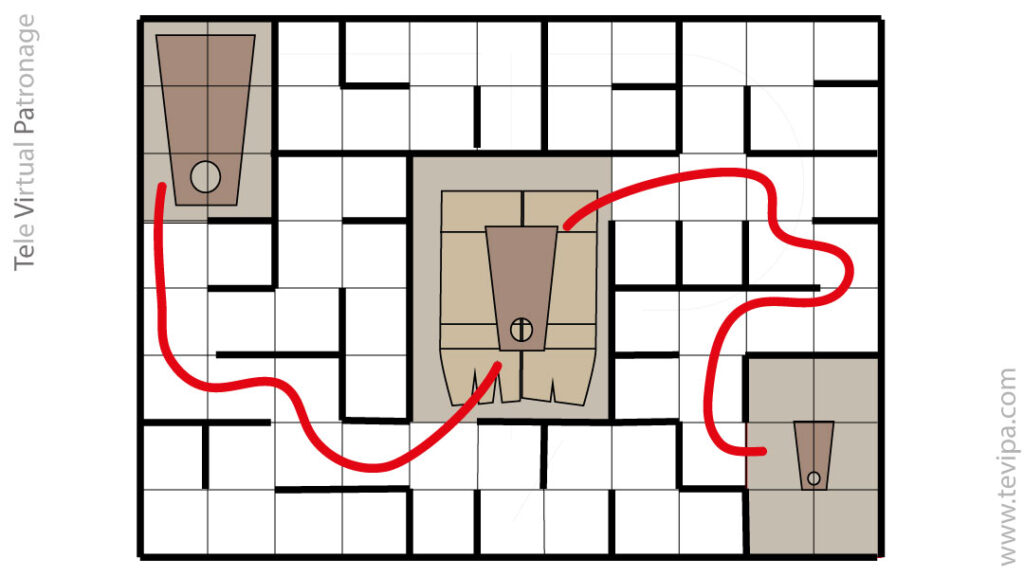
Why a Fair Measurement Chart Is So Important
Before drawing a single millimeter, it is essential to have a well-balanced measurement chart designed for the company’s real target.
Without a reliable chart, grading loses precision, the garment deforms, and extreme sizes no longer represent real customers.
Each chart may produce different grading ratios. For this reason, it is crucial not to mix ratios from unrelated charts, since each one responds to a specific target group.
In the video, we explain how to interpret these charts correctly.
Every company should work with a chart adapted to its own clientele, and this may vary depending on the region where the garment is sold. The average height of Swedish people is not the same as that of Peruvian people, and this directly affects vertical measurements.
The result of a fair measurement chart is, inevitably, fair grading.
How to Deduce Ratios From the Proportions of the Base Skirt Pattern
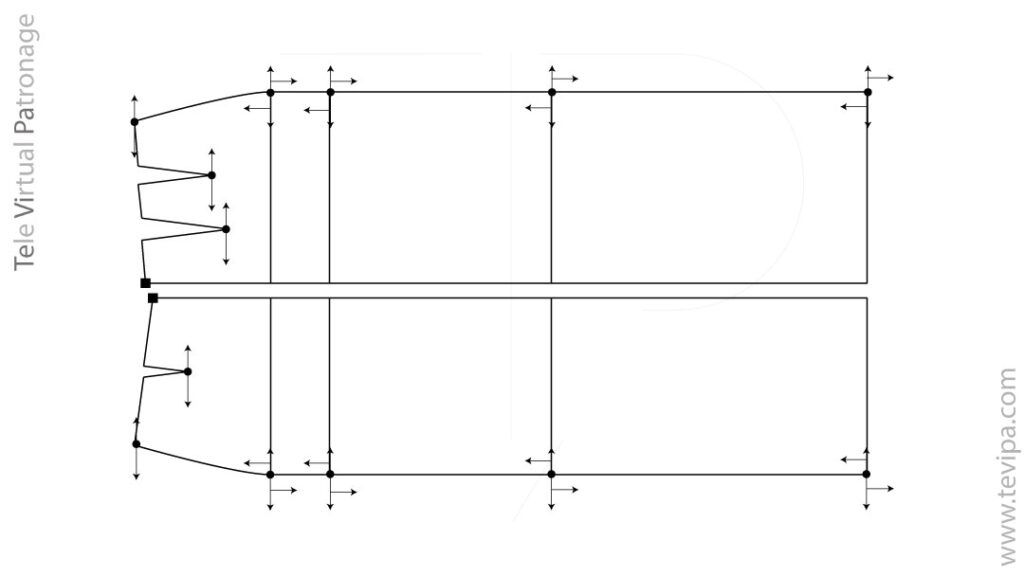
The ratios applied at each point of the draft are deduced from the proportions of the tailored straight skirt’s base pattern.
This is why it is essential to keep all the proportions of the original draft in mind.
If you use a different system to draft your base skirt, your ratios will vary, but the process is still valid. If you have understood the three general grading videos and you follow this one, you will be able to grade your own variation of the base pattern as well.
However, if the original draft contains deficiencies, its grading will inherit them. The system only works correctly when the base pattern itself is correct.
Two Examples That Change the Way You See Grading
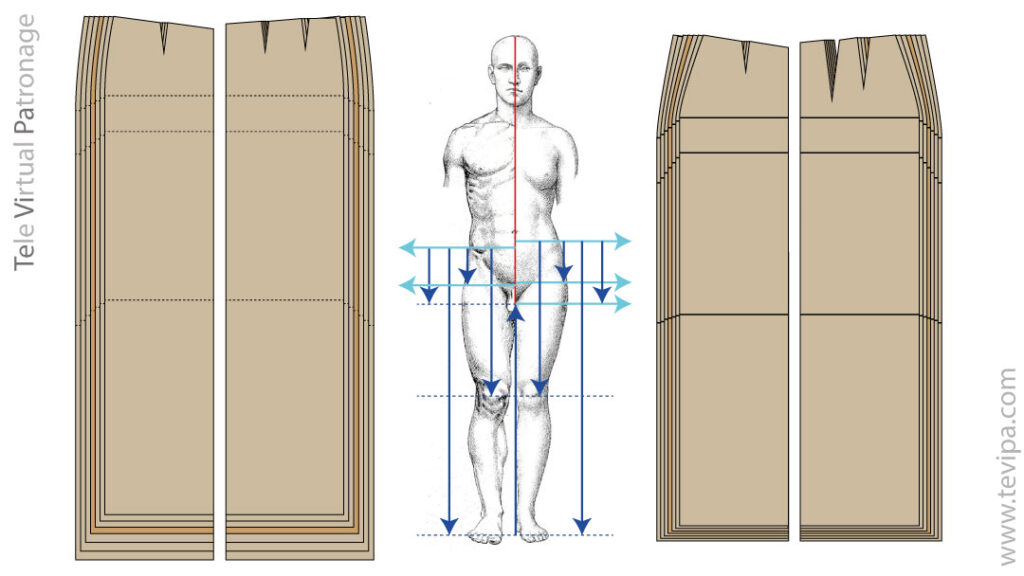
The video presents two practical cases —one male and one female— to illustrate how charts and grading schemes determine how the pattern grows.
• Male morphology
In this first example, we use different ratios for smaller and larger sizes in measurements such as leg length, knee length, and inseam. This allows the garment to adapt to different bodies in a proportional and coherent way.
• Female morphology
In this second case, we apply clear differences between the waist ratio and the hip ratio.
This technique allows garments to accommodate fuller bodies by giving the waist a higher contour and, in smaller bodies, maintaining coherent proportions without resorting to special waist conformations.
The Key Idea to Remember

Grading is not a mystery.
It is the art of inserting the correct ratios into the correct sizes, following the proportions of the base pattern and the indications of the measurement chart.
The chart determines how the garment grows and how it maintains its balance.
If you understand the chart, you understand grading.
In addition, once you do, the entire process becomes surprisingly logical.